
2026. 6. 11. 15:41ㆍNEWSROOM
[PRovoke] Starbucks Korea's Tank Day Firestorm: Did Speed Outrun Common Sense?
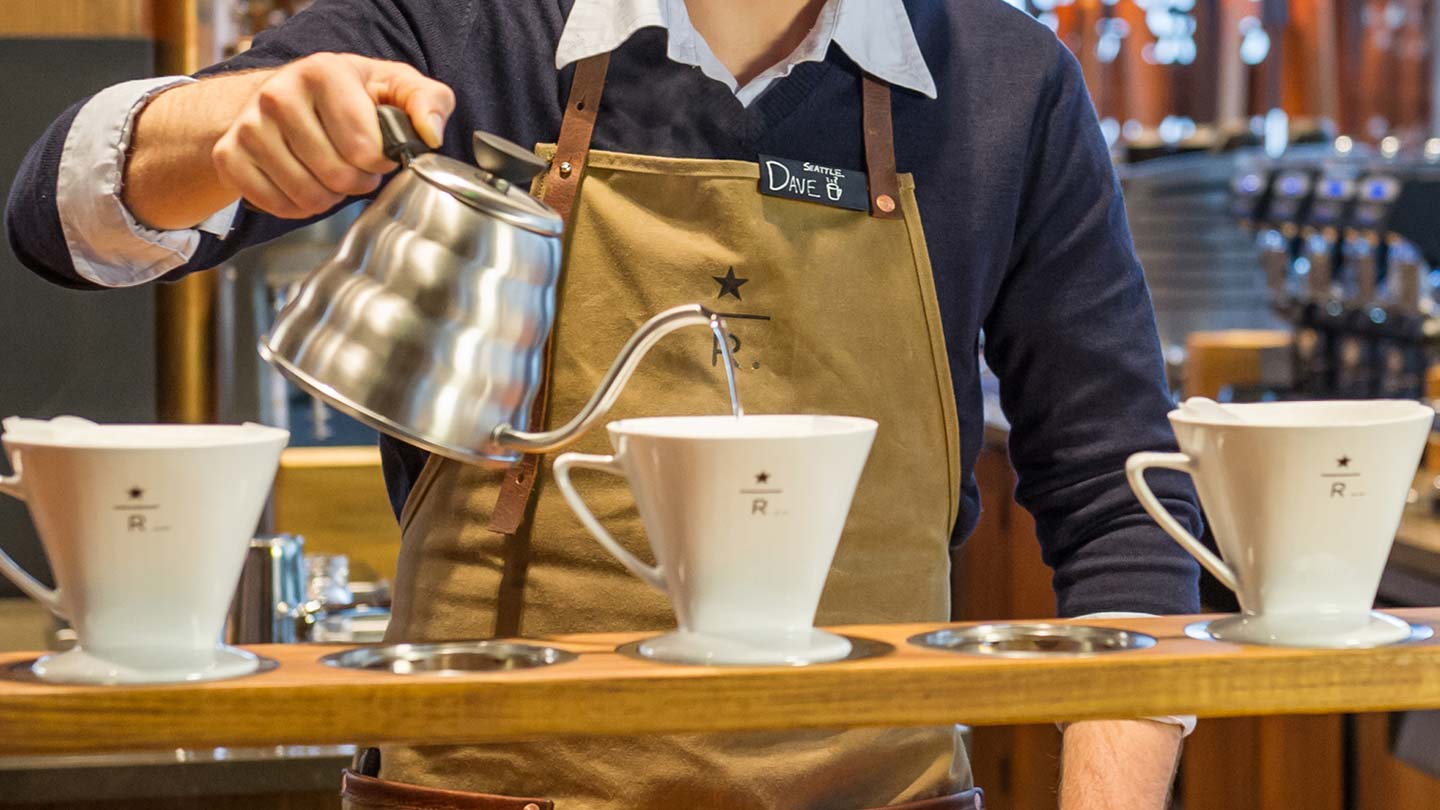
스타벅스는 한국에서 가장 인기 많은 커피 프랜차이즈입니다. 그러나 최근 5월 진행된 텀블러 프로모션 행사에서 치명적인 과오를 저질렀고, 이는 스타벅스 불매 운동으로 확산되기까지 했습니다.
글로벌 PR 전문미디어 PRovoke는 이번 국내 스타벅스 사례를 주목하며, 기업 및 브랜드 마케팅에 있어서 주목해야 할 사항이 무엇인지 전문가들의 의견을 모았습니다. 이에 호프만에이전시 코리아 권기정 대표는 기업 및 브랜드 마케팅에 있어서 '문화 감수성'을 중시해야 하며 사내 모니터링 조직의 필요성을 강조합니다.
보다 자세한 내용과 권기정 대표의 인사이트는 하기의 내용과 전체 기사를 참고해주시기 바랍니다.
[... 중략] Adding to her point, Kelly Kwon, General Manager of The Hoffman Agency Korea noted that this incident demonstrates that localization goes far beyond language adaptation. Rather, true localization starts with a deep understanding of social dynamics, cultural norms, consumer sentiment, and historical context.
"That requires continuous listening and strong market intelligence. Today, contextual understanding is no longer optional—it is a core capability for protecting reputation and mitigating risk," she said.
Kwon added that as work becomes increasingly digital, opportunities to develop deeper historical and social understanding may be declining. At the same time, social media has become a real-time accountability system that subjects corporate decisions to unprecedented scrutiny.
"What once might have remained an internal mistake can now become a national conversation within hours. Historical literacy and cultural awareness are no longer intellectual assets alone—they are essential business capabilities," she said.
Truly, today’s brands operate in a fishbowl-constantly visible and evaluated in real time. That is why trust management has become more important than issue management. In the digital era, preventing crises through sustained trust-building is far more effective than managing them after the fact.
"Strong brands are not defined by how well they respond to crises, but by how consistently they build trust through authenticity, responsibility, and engagement before crises occur," said Kwon in conclusion. "In Korea, there is a saying that “public opinion is the highest law.” It reflects the reality that public sentiment often shapes corporate reputation as much as formal regulations. For any brand operating in Korea, understanding, respecting, and listening to public sentiment is not optional—it is a fundamental source of long-term competitiveness."
'NEWSROOM' 카테고리의 다른 글
| PRovoke Media Summit 2026 | AI 시대 기업 신뢰와 지속가능성 커뮤니케이션 (0) | 2026.08.19 |
|---|---|
| 호프만에이전시코리아 한·일 Campaign Asia-Pacific ‘올해의 에이전시(AOY)’ 4관왕 (0) | 2026.06.10 |
| [The Korea Times] Korea’s education stuck in industrialization era (0) | 2025.11.19 |
| [ZDnet] AI 시대, 연필과 지우개로 치르는 수능 (0) | 2025.11.19 |
| 호프만에이전시코리아, 한국PR대상 3관왕 (0) | 2025.11.17 |